
 3, ул. Пушкина, 140100, г. Самарканд, Узбекистан
  +998 90 655 05 00
  info@sacredeasttravel.com


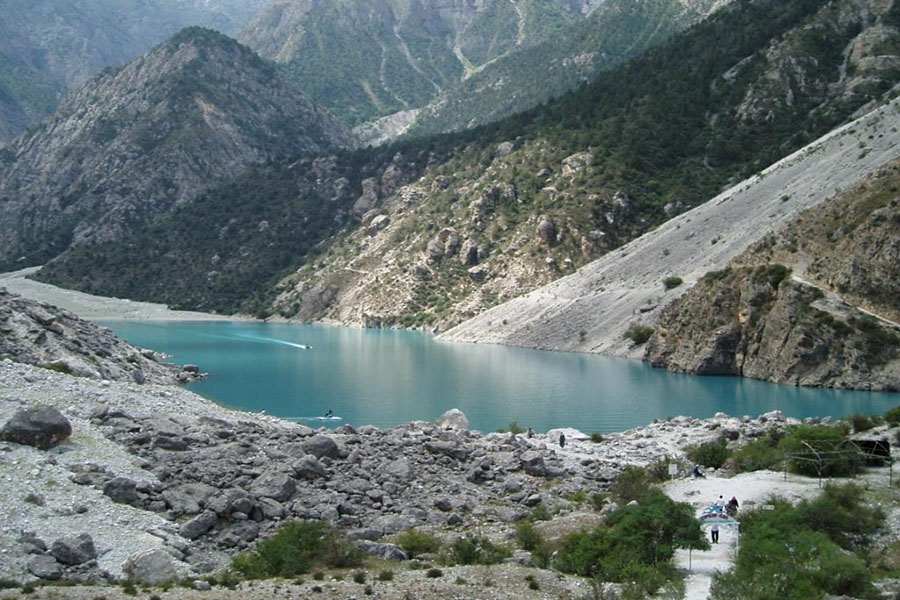
Шахимардан
Шахимардан - популярный город-курорт, где всегда прохладный воздух, бурлящие реки и горные озера. Дорога следует вдоль реки Шахимардан до его истока в городе, где чистейшая река Кок Су сливается с водами блестящей реки Ок Су. Поэтому город, находящийся на высоте 1500 м. над уровнем моря, привлекает внимание любителей природы. Историю Шахимардана во многом связывают с именем Хазрата-Али, четвёртого халифа, зятя пророка Мухаммада. Существует версия, что во время пребывания Хазрата-Али в Центральной Азии, он посещал селение Шахи-мардан, и одна из возможных семи его могил находится в данном селении, что практически нельзя ни доказать, ни отрицать. В переводе с персидского "Шахимардан" означает "Повелитель людей", что соотносится с именем Хазарта-Али. Здесь родился узбекский советский поэт, драматург основатель первого профессионального узбекского театра - Хамза Хакимзаде Ниязи. Он создал пьесу "Бай и батрак", ставшую первым произведением узбекской советской драматургии.
Cool air, rushing rivers and mountain lakes make this region a wonderful place for recreation and travel. Moreover, Shakhimardan is also considered the sacred area, a place of religious pilgrimage.
Muslim tradition states that Hazrat Ali himself, the fourth caliph, son-in-law of Prophet Muhammad visited Shakhimardan, and one of his possible seven graves is located here. “Shakhimardan” in Persian language means “Lord of the people”, which also correlates with the name of Hazrat-Ali. In 20-ies in the center of Shakhimardan there was the mosque and the mausoleum of Hazrat-Ali, where believers came to pray. However, during the era of religion persecution, the Soviet authorities destroyed the mausoleum of Ali. And only when Uzbekistan gained independence in 1993 the mausoleum of Hazrat-Ali was re-built in the same place and preserved its outer form.
In the 1930’s in the result of exchange of territories between Uzbekistan and Kyrgyzstan, Shakhimardan became the part of Uzbekistan. For short period Shakhimardan was called as Hamzaabad, in honor of the poet and the founder of the Uzbek drama Khamza Hakim-zade Niyazi. In March 1929 in the village of Shakhimardan Khamza was killed. In the 60ties the museum and mausoleum of Khamza were constructed in his honor, and in 1989 during the celebration of the centennial anniversary of the birth of Khamza the new museum and a monument to this talented figure were opened in Shakhimardan.