
 3, Pushkin str., Samarkand 140100 Uzbekistan
  +998 90 655 05 00
  info@sacredeasttravel.com


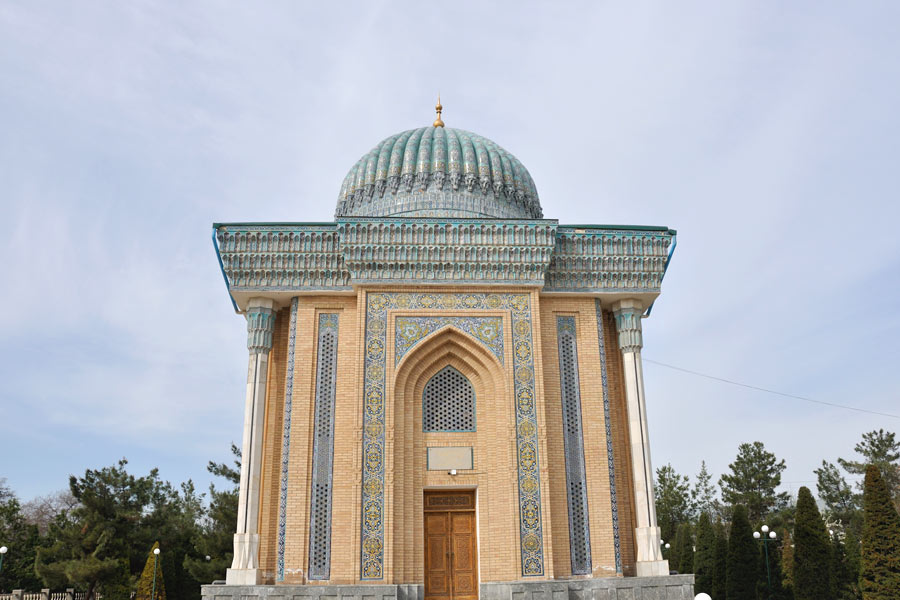
Al-Maturidi mausoleum
Abu Mansur Muhammad ibn Muhammad (870, near Samarkand – 944, [1] Samarkand) is an Islamic thinker, founder and eponym of one of the schools of kalam-maturidism. Abu Mansour al-Maturidi was born in the city of Maturide near Samarkand. Hanafi fiqh and other religious disciplines were trained in Samarkand. His teachers are Abu Bakr Ahmad ibn Ishaq, Abu Nasr Ahmad ibn al-Abbas (known as al-Faqih al-Samarkandi), Nasr ben Yahya al-Balhi and Muhammad ibn Mukatil al-Razi. Subsequently, al-Maturidi himself taught fiqh and kalam. He was buried in the cemetery of Chokarduz in Samarkand.
On a number of questions of the Kalam, Maturidi and his followers answered in the same spirit as the Ash’arites: they considered the Qur’an eternal in terms of its meaning and arising in time with respect to the verbal expression of this meaning, believed that the righteous can contemplate Allah in the other world, not clarifying the nature of this vision that all human actions are created by God, and man only appropriates (kybb) them to himself through will and ability, that the essential attributes of Allah (knowledge, power, etc.) are real and eternal. But unlike the Asharites, Maturidi recognized the eternity not only of the essential attributes of God, but also the eternity of the attributes of action; as well as the Mu’tazilites believed that a person has freedom of choice, including a choice between two opposites, that faith consists in the verbal recognition of Allah, and not in religious rites.
The teachings of al-Maturidi spread among the Hanafites of Maverannahr. Imam Maturidi succeeded in disputes, which led with representatives of various madhhabs both from Samarkand and from its environs. Maturidi entered into discussions with the Karamites, Shiites and Mutazilites, devoting one of his works to refuting their views.